

Connecticutt
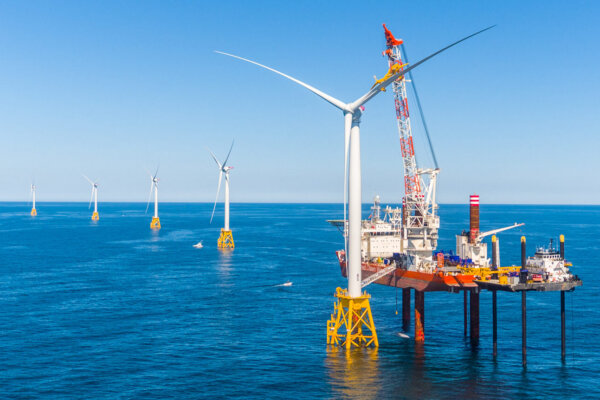
Connecticut has set a procurement target of 2,000 megawatts (MW) of offshore wind—enough to power approximately 1 million homes. In 2019, Ned Lamont called for a transition to a zero-carbon energy economy by 2040, making offshore wind a critical part of the state’s clean energy strategy.
To advance this goal, Connecticut is committed to 100% zero-carbon electricity by 2040 and 2,000 MW of offshore wind by 2030. To date, the state has secured 1,158 MW through completed procurements.
Maine
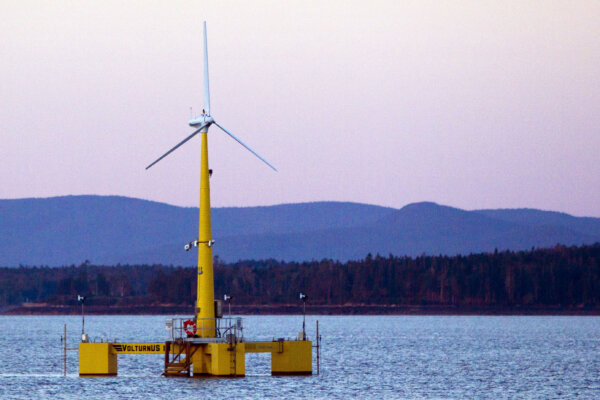
Maine has enacted an offshore wind procurement law targeting 3 gigawatts (GW) by 2040, supported by some of the strongest wind resources on the East Coast. The state is advancing floating offshore wind, including an 11-megawatt (MW) single floating turbine led by the University of Maine.
Maine is committed to 100% renewable electricity by 2050 and carbon neutrality by 2045, with 11 MW of offshore wind procured to date.
Massachusetts
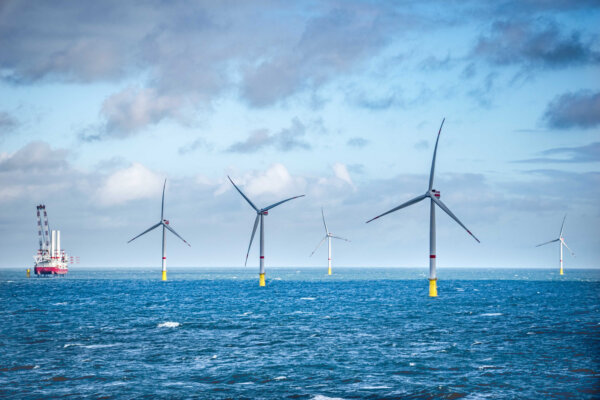
Massachusetts is a national leader in offshore wind policy and procurement, having contracted more than 3,000 megawatts (MW) across four projects—the largest total in the region. The state was the first in the nation to pass offshore wind legislation in 2016 and continues to advance policies that expand offshore wind and support an inclusive clean energy industry.
Massachusetts is committed to reducing greenhouse gas emissions by 85% and achieving net-zero by 2050, with a target of 5,600 MW of offshore wind by 2027 and 3,241 MW procured to date.
New Hampshire
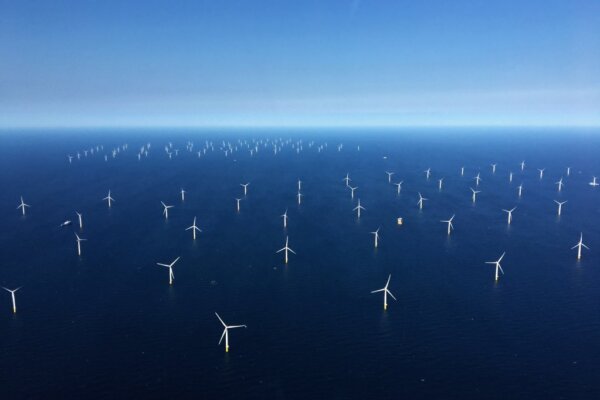
New Hampshire has taken early steps to evaluate offshore wind’s role in reducing greenhouse gas emissions. In 2021, Chris Sununu signed an executive order directing state agencies to assess emissions reductions from offshore wind, followed by bipartisan legislation in 2022.
These actions established environmental review requirements and procurement standards, while the state’s proximity to the Gulf of Maine provides access to strong offshore wind resources as New Hampshire continues to evaluate future development.
Rhode Island
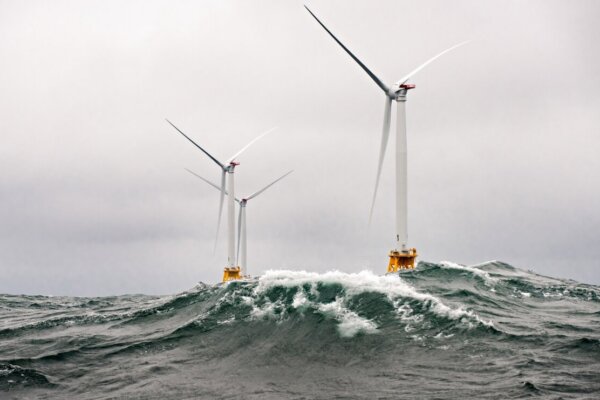
Rhode Island is a leader in offshore wind development and home to the nation’s first commercial-scale offshore wind farm at Block Island. In 2022, Dan McKee signed legislation committing the state to 100% renewable electricity by 2033.
That same year, the state expanded offshore wind procurement requirements, leading to a request for proposals for up to 1,000 megawatts (MW). Rhode Island has set a target of 1,030 MW and has procured 430 MW to date.
Vermont
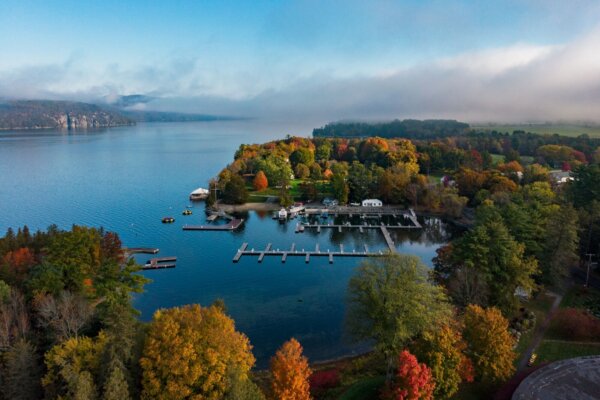
Vermont does not have a coastline, but it plays an important role in supporting offshore wind through participation in a cleaner regional electric grid. Offshore wind development across New England helps Vermont access reliable clean energy and strengthen regional energy independence.
Vermont has long been a leader in climate action, with a goal of meeting 90% of its total energy needs through renewable resources by 2050, supported by regional offshore wind development.
Join The Coalition
Be Part of New England’s Clean Energy Future
Become part of the movement building clean energy infrastructure for New England.